
Indonesia, India, and Nepal Collaborate to Explore Beneficial Insect Biodiversity for Food Security and a Green Economy in Asia
Padang (ANTARA) - Indonesia, India, and Nepal are strengthening an international research collaboration to study the biodiversity of beneficial insects as an important asset for food security and the development of sustainable green-economy agriculture in Asia. Through the International Research Network, or IRN, Universitas Andalas is collaborating with Punjabi University in India and Tribhuvan University in Nepal to develop research that views insects not merely as small components of ecosystems, but as essential organisms supporting pollination, ecological cycles, agricultural productivity, and community economic opportunities.
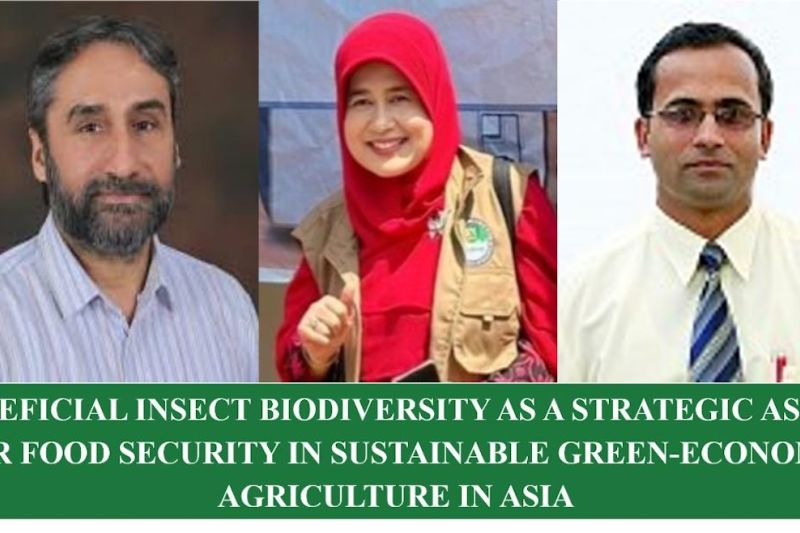
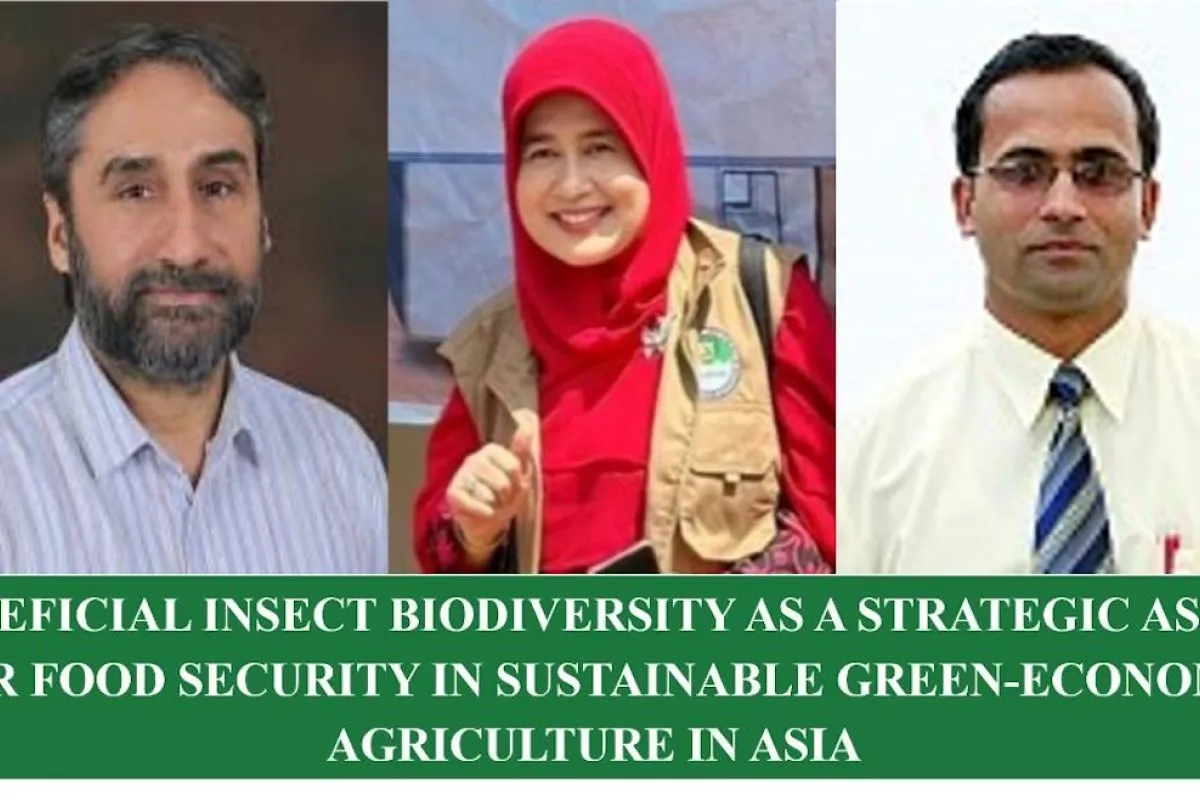
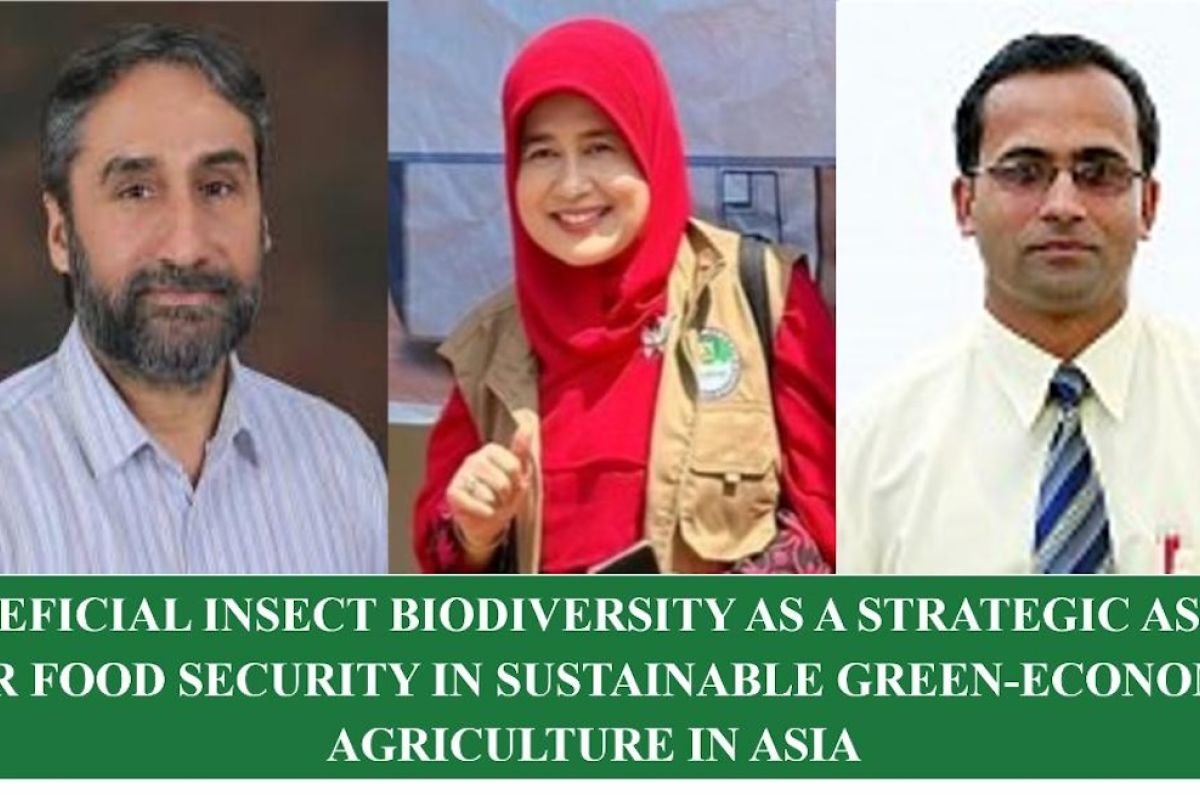
The international collaboration involves Prof. Dr. Henny Herwina from Universitas Andalas, Prof. Dr. Himender Bharti from the Department of Zoology and Environmental Sciences, Punjabi University, India, and Dr. Indra Prasad Subedi from the Central Department of Zoology, Tribhuvan University, Nepal. The partnership with these two universities has continued throughout the 2025–2026 research period. This study serves as an initial step toward understanding the position and importance of beneficial insects within tropical Asian landscapes. The current phase of field research focuses on different land-use systems in Sumatra, while the research network with India and Nepal strengthens the scientific perspective and creates opportunities for broader studies of insect biodiversity across Asia in the future.
Another form of this collaboration was demonstrated through the participation of Prof. Dr. Himender Bharti as one of the invited speakers in a Summer Course organized by the Department of Biology, Faculty of Mathematics and Natural Sciences, Universitas Andalas, from May 25 to June 12, 2026. The program was conducted through both online and offline activities under the main theme “Integrated Tropical Forest Biodiversity Assessment.” It involved participants from eight countries, including researchers and students from Nepal.
The main insect groups receiving attention in this research collaboration include Coleoptera, or beetles, Lepidoptera, which comprises butterflies and moths, and Hymenoptera, particularly bees and ants. Odonata, including dragonflies and damselflies, is also observed as an important component of the insect community. The study does not merely record the presence of these insects. It also seeks to understand how different land-use systems influence insect diversity and how these groups can be sustainably utilized as beneficial insects.
From Forests to Farms, Insects Reveal the Condition of the Environment
Sampling was conducted across different land-use landscapes in Sumatra. The habitats observed were highly diverse, ranging from forests, mangosteen orchards, rubber plantations, mixed-crop farms, and maize fields to fragmented forests around university campuses.
These contrasting landscapes are important from an ecological perspective. A forest with multiple layers of vegetation naturally provides a different living environment from a monoculture farming system dominated by a single crop. The availability of flowering plants, nesting trees, organic matter, leaf litter, dead wood, and the overall structure of vegetation can determine which insects are able to survive and establish their populations.
Lepidoptera emerged as a prominent group in terms of species richness, while Hymenoptera dominated in terms of the number of individuals recorded. The high number of butterfly and moth species reflects considerable species richness, whereas the abundance of Hymenoptera indicates a strong presence of social insects, particularly ants and bees.
Lepidoptera represents one of the most conspicuous insect groups identified in the study. Butterflies offer ecological value far beyond the beauty and colors of their wings. Their presence is closely associated with vegetation quality and habitat conditions. For this reason, Lepidoptera diversity can provide important information about the ability of a landscape to sustain insect communities amid continuing changes in land use.
In addition to butterflies, Coleoptera, or beetles, constitutes another important group examined in this research. Their presence is associated with complex habitat structures, including decomposing organic materials, dead wood, and diverse vegetation that provide suitable habitats for different beetle groups.
Beetles perform a broad spectrum of ecological functions. Within an ecosystem, various Coleoptera species are involved in decomposition processes, food webs, and the utilization of organic materials. Understanding beetle communities therefore also means understanding part of the ecological processes that quietly operate on forest floors and within agricultural landscapes.
This research offers a different perspective on insects. Not all insects should be regarded as agricultural pests. Many species work almost invisibly, maintaining ecological processes that ultimately contribute to the sustainability of agricultural systems.
Bees Are Small in Size, but Enormous in Value
Hymenoptera shows a different ecological pattern. While Lepidoptera is prominent in terms of species richness, Hymenoptera dominates in individual abundance. The high abundance of this group reflects the strong presence of social insects such as ants and bees within the research landscapes.
The value of bees extends even further into community-based economic opportunities. Besides providing essential pollination services, stingless bees and honey bees produce economically valuable commodities such as honey, bee pollen, propolis, and various other bee products. The research identifies these pollinator groups as potentially important assets for supporting sustainable green-economy agriculture in Asia.
Research Does Not Stop in the Laboratory
One of the most interesting aspects of this program is the effort to bring scientific knowledge beyond academic laboratories and directly into communities. Knowledge about beneficial insects has been translated into practical training activities for local people.
Community members were introduced to the cultivation of galo-galo, the local term for stingless bees, along with colony management, safe honey-harvesting techniques, and post-harvest processing. These activities are intended to provide livelihood alternatives that are relatively environmentally friendly while simultaneously encouraging pollinator conservation.
Galo-galo honey can subsequently be developed into value-added products, including honey-based confectionery. At this point, the meaning of beneficial insects becomes very tangible. A bee may be physically small, but the network of benefits surrounding it can extend to agricultural crops, ecosystem health, and household incomes.
The potential use of honey bees for agriculture and human well-being is also promising, including opportunities for ecotourism and bee-related therapeutic activities.
Toward an Asian Beneficial Insect Biodiversity Network
The collaboration among Universitas Andalas, Punjabi University, and Tribhuvan University provides a foundation for broader research on beneficial insects across Asia. Indonesia possesses exceptionally rich tropical ecosystems, India covers an extensive and diverse biogeographical landscape, while Nepal presents distinctive ecological gradients ranging from lowlands to mountainous regions.
The integration of scientific expertise from these three countries has the potential to enrich our understanding of the relationships among biodiversity, land-use change, and agricultural sustainability.
Ultimately, this research carries a simple but important message. Butterflies, beetles, and bees are not merely secondary inhabitants of agricultural landscapes. They are part of the ecological machinery that keeps natural systems functioning.
When insect biodiversity is conserved, what is being protected is not merely the number of species. Pollination processes, habitat health, agricultural productivity, and economic opportunities for communities are also maintained.
From Sumatra, through scientific collaboration among researchers from Indonesia, India, and Nepal, this research seeks to place these small organisms in a more appropriate position within Asia’s broader development agenda, recognizing them as strategic biological assets for food security, sustainable agriculture, and the future of the green economy.
This activity was funded by the Indonesian Endowment Fund for Education (LPDP) on behalf of the Indonesian Ministry of Higher Education, Science, and Technology, and managed under the EQUITY Program, Contract No. 4304/B3/DT.03.08/2025.
Department of Biology, Faculty of Mathematics and Natural Sciences, Universitas Andalas, West Sumatra
Oleh Henny Herwina
COPYRIGHT © ANTARA 2026


