
Tiny in Size, Great Impact: How Beetles Safeguard the Tropical Ecosystems
Padang (ANTARA) - Insects, as the most diverse and abundant group of organisms on the planet, play crucial multidimensional roles in maintaining the balance and sustainability of global ecosystem functions, extending far beyond their use as indicators of environmental health. These roles include plant pollination, organic matter decomposition, natural pest control, and serving as an important food source for various trophic levels within food webs.
The integrity of ecosystems depends heavily on the presence and functions of insects, which contribute to the stability of natural productivity and biogeochemical cycles. For example, insect pollinators are essential for the reproduction of more than 75% of food crops and 90% of wild flowering plants, directly affecting global food production and plant conservation. Unfortunately, insect populations worldwide are currently undergoing an alarming decline. Major drivers include land conversion for agriculture, urban development, and other infrastructure that destroys natural insect habitats. The disproportionate use of synthetic pesticides can also kill insects directly or damage their habitats. Climate change can alter weather patterns, affecting insect life cycles and the availability of their food resources.
Protecting biodiversity is one of the core objectives of SDG 15, “Life on Land,” which aims to protect, restore, and promote the sustainable use of terrestrial ecosystems. Through research collaboration with entomologists from India and Nepal, and by applying several insect collection methods through a Rapid Assessment to monitor beneficial insects in West Sumatra, the author’s team study found that Coleoptera, together with Hymenoptera (ants, bees, and wasps) and Lepidoptera (butterflies and moths), represented the taxa with the highest species richness across four habitat types sampled in Padang City and Sijunjung Regency.
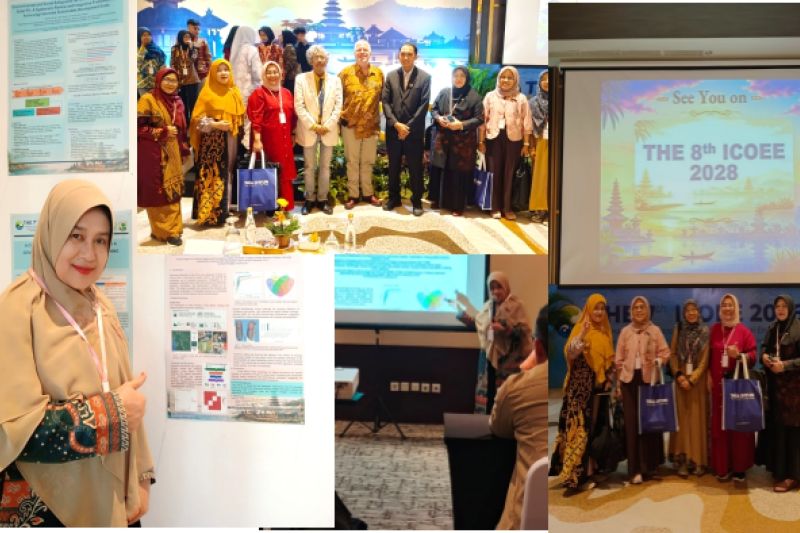
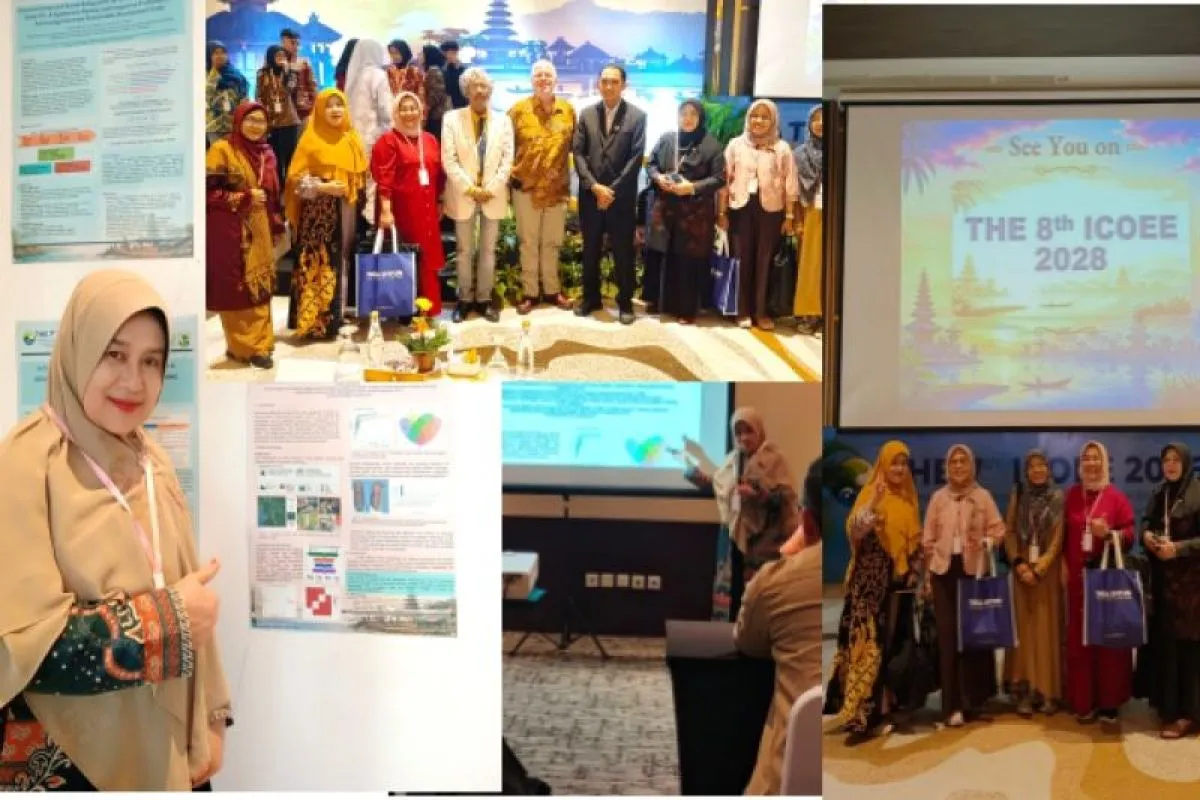
A scientific presentation dealing with the importance of tropical insect diversity, especially Coleoptera, in West Sumatra was delivered at the 7th International Conference on Environmental Engineering (ICOEE) 2026, held in Bali on July 30-31, 2026, under the theme “Engineering Solutions for Environmental Resilience in a Changing World.” The event, organized by Institut Teknologi Sepuluh Nopember (ITS) with Universitas Andalas as a co-host alongside several other universities, brought together 243 participants from 49 universities and 19 countries.
Coleoptera is a diverse insect order that performs multiple ecological roles as herbivores, predators, scavengers, and decomposers. At ICOEE 2026, the author presented findings on the diversity and community structure of beetles (Coleoptera) in forest and plantation habitats across two landscapes in West Sumatra, Indonesia: Limau Manis (forest and mangosteen plantation) and the Silokek Geopark Ecotourism Area (forest and rubber plantation). A total of 78 species from 25 families of Coleoptera were collected using the quadrat protocol and pan traps. Approximately 13% of the collected beetles were identified as decomposers. The highest decomposer diversity was recorded in the rubber plantation within the Silokek Geopark, with 5 species. Xyleborus beetles (Curculionidae) were the most abundant species in the Limau Manis forest. The Limau Manis forest, as a part of the Biological Educational and Research Forest of Universitas Andalas, supported the highest abundance and species richness of Coleoptera among all study sites. Functional guild composition reflected habitat complexity and food resource availability, highlighting the importance of both forest and plantation ecosystems.
This activity was funded by the Indonesian Endowment Fund for Education (LPDP) on behalf of the Indonesian Ministry of Higher Education, Science, and Technology, and managed under the EQUITY Program (Contract No. 4304/B3/DT.03.08/2025).
Department of Biology, Faculty of Mathematics and Natural Sciences, Universitas Andalas, West Sumatra
Oleh Henny Herwina
COPYRIGHT © ANTARA 2026


